A Sea of Muted Microphones
A while ago, I joined a webinar on Power Platform automation.
The content was solid. The presenter was sharp. The slides were slick. But something felt off.
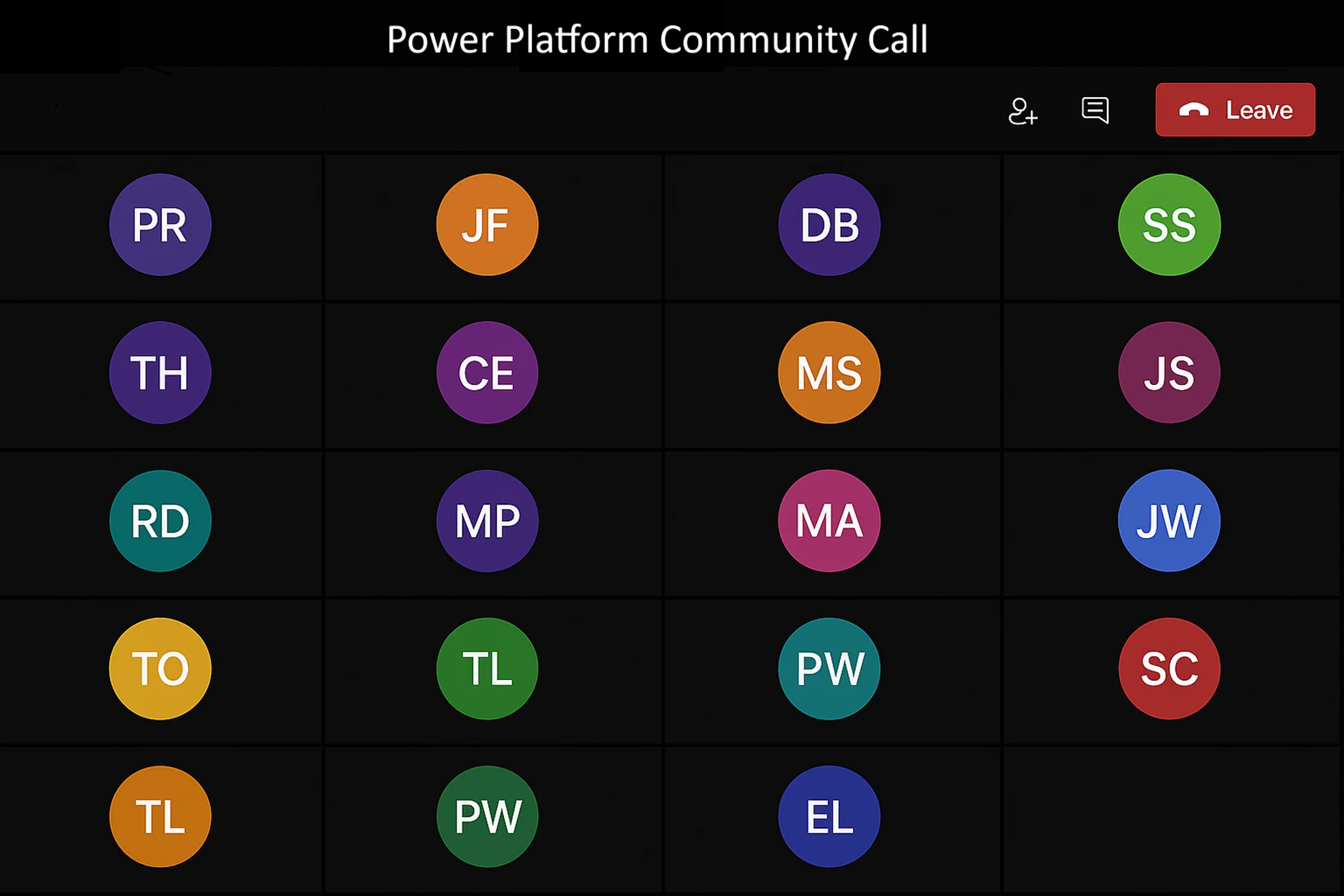
There was no chat. No reactions. No questions. Just a sea of muted microphones and blank profile pictures.
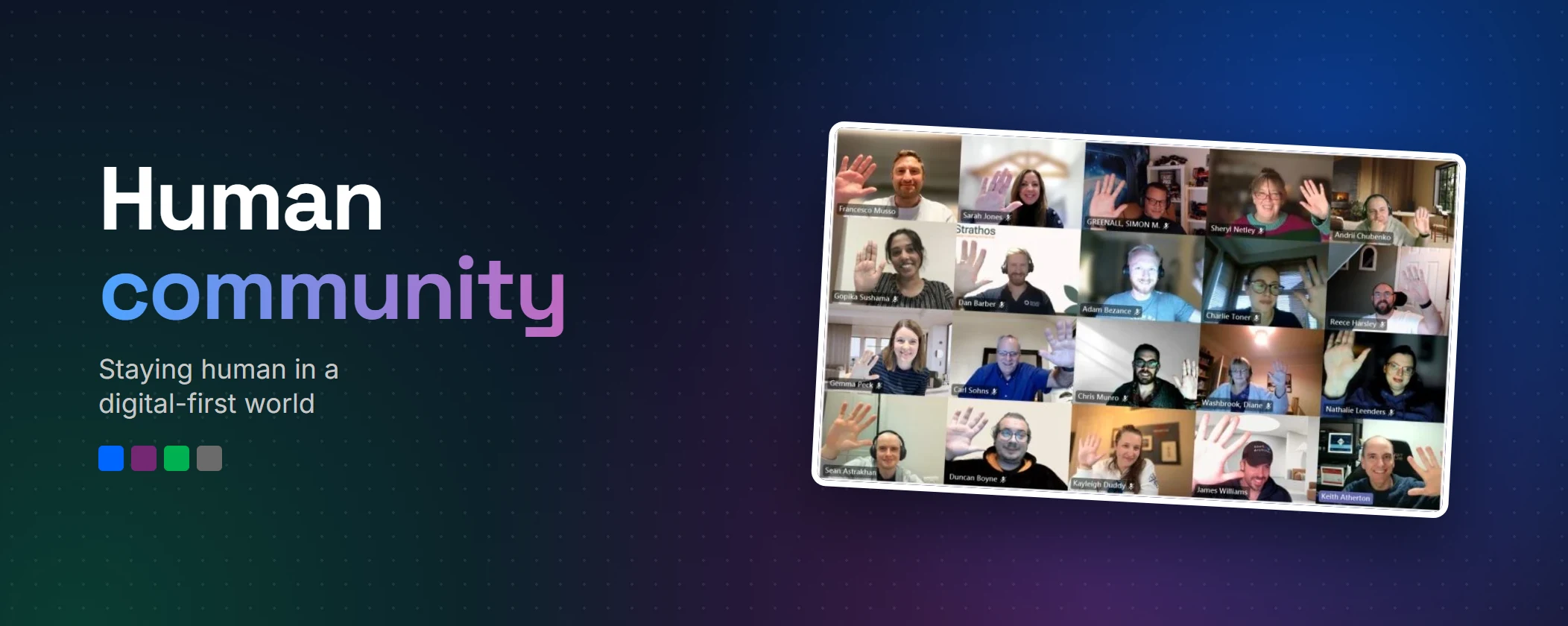
I learned something, sure. But I didn’t feel anything. No spark of connection, no shared “aha” moment, no sense that I was part of something. And it hit me: in our rush to take learning digital, we sometimes forget the most powerful part of a community. The people.
The Landscape Has Shifted
The way we connect in tech has changed a lot in a few short years.
Our communities have global reach now. A user group that used to be twenty people in a meeting room can be two hundred people across five time zones. Digital formats are the default, not the backup plan.
AI is creeping into the content too, from how sessions are written to how they’re presented. And the conversations have moved. Less hallway chat, more Teams threads.
None of that is bad. A lot of it is brilliant. But it does mean we have to work harder at the human bit, because it doesn’t happen by accident any more.
In the Room vs On the Call
We’ve all felt the difference. The buzz of a hallway chat at a live event versus the convenience of a Teams meetup in your slippers.
In person, you get connection, energy and spontaneity. You can read the room. The speaker feeds off the audience and the audience feeds off each other. The best conversation of the day happens in the coffee queue.
Virtual has its own superpowers. It scales. It’s cheap and easy to run. And it’s far more inclusive: across time zones, for people who can’t travel, and for people who find a packed conference hall hard work.
So this isn’t about picking one. It’s about blending them with intention.
How It Makes You Feel
There’s a quote from Maya Angelou that I always remember: “People will forget what you said… but they’ll never forget how you made them feel.”
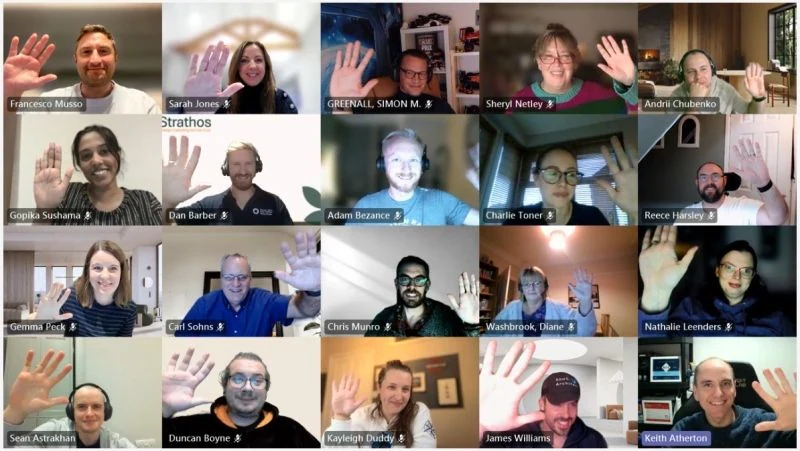
That’s community in a sentence. Nobody remembers slide 14. They remember who said hello, who answered their question, and whether they felt welcome enough to come back.
Designing for Humans
So how do you build a community that stays human, whatever the format? A few things I’ve learned:
Think hybrid, and think about the in-between. It’s not just the meetups. It’s everything that happens between them too.
Let the members shape it. Ask people what they want. Some love a big in-person day, others want a quick lunchtime call. Let the format follow the people.
Look after your speakers. A speaker buddy system goes a long way. It helps new speakers find their feet and makes sure the content actually lands.
Make it accessible. Whatever the format, think about captions, access, slides people can follow and the different cultures in the room.
Celebrate each other. Shout about achievements. Encourage people. It costs nothing, and it’s the bit people remember.
Keeping It Human Between Events
The event is only part of it. The magic is in keeping the conversation going afterwards.
If you run a live meetup, follow it up with a virtual recap: the highlights, plus a Q&A for anyone who couldn’t make it or thought of a question on the drive home.
Use social media for the async stuff. Check-ins, polls, sharing wins. Think of it as community maintenance.
And create rituals that span formats. Little things people can rely on, whether they’re in the room or on the call.
Your Turn
Next time you’re on a community call, put something in the chat. Turn your camera on if you can. Ask the question that everyone else is thinking.
And if you run a community, look at your next event and ask one simple question: how will people feel when they leave?
That’s the bit they’ll remember.