The T-Shirt Problem
A few months before Experts Live UK in June, we were designing the event T-shirts.
The speaker shirt was easy. The event is called Experts Live, so we put “Expert” on it. Done.
Then we got to the attendee shirt, and we got stuck. Leaving “Expert” off felt wrong. The people in that room fix real problems for real organisations every day. Some of them know their corner of the Microsoft stack better than anyone on stage. Why would the word only belong to the people with a microphone?
So the attendees got “Expert” too. And I’ve been thinking about what that word actually means ever since.
Everyone Feels Like an Imposter
Something else kept nagging at me.
On the Experts Live Community Voices podcast, we talk to people from all over the Microsoft community. MVPs, seasoned speakers, people who have been doing this for years. And nearly every single one of them brings up the same thing: imposter syndrome.
I expected that from people just starting out. What surprised me was how many still feel it years in. Every talk. Every time.
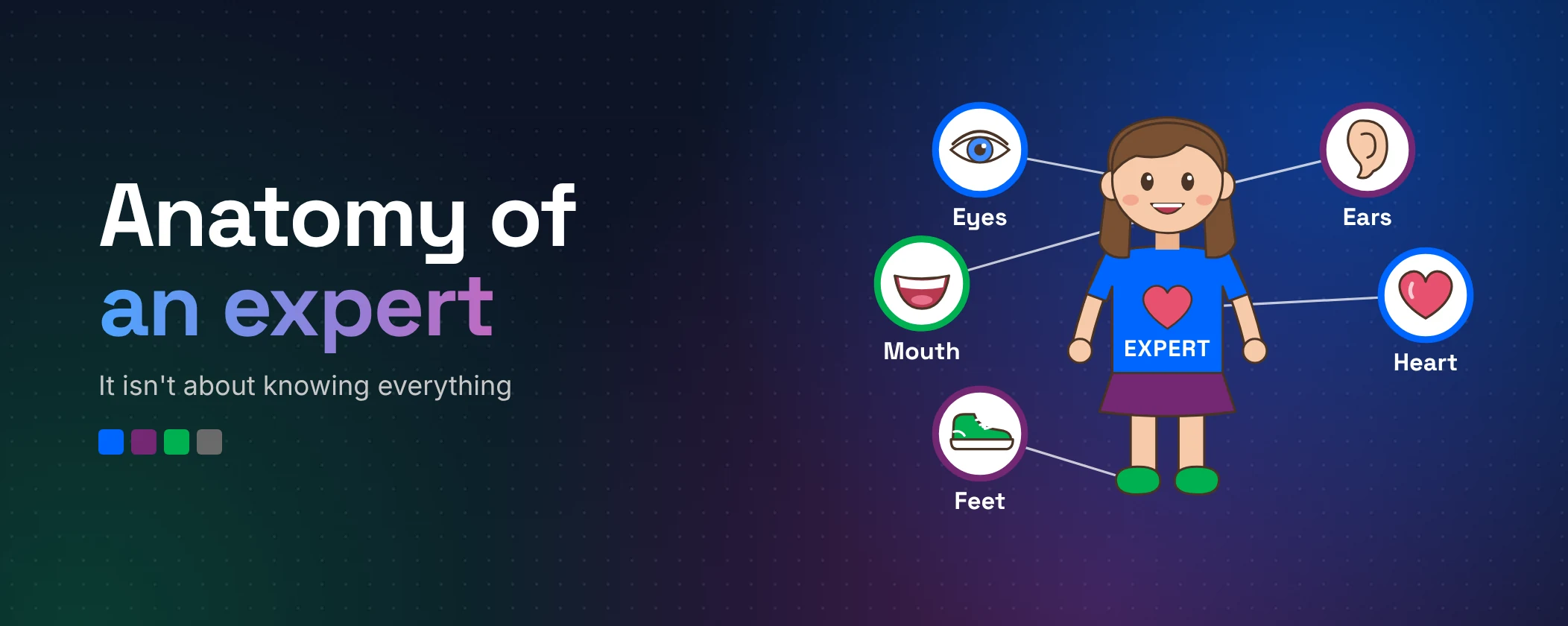
If the people we’d all call experts don’t feel like experts, maybe we’ve got the definition wrong. It was never about knowing everything or being the cleverest person in the room. I think it’s something much more ordinary than that. So I tried to break it down.
The Eyes
Experts keep looking.
They notice the new feature tucked into the corner of a demo. They read the release notes. They spot when the way they’ve always done something has quietly stopped being the best way.
It’s not about chasing every shiny thing. It’s about staying curious enough to notice when the world has moved on.
My Example: Jayshree Ostwal
She always spots what’s new in the technical and community space and writes it up into her amazing Newsletter. She’s incredible!
The Mouth
You’d think an expert’s mouth is for giving answers. Mostly, it’s for asking questions.
“Why do you do it that way?” “What happens if…?” “Can you show me?”
Asking a question in front of a room takes more confidence than answering one. It also gives everyone else permission to ask theirs. And some of the most useful words an expert can say are “I don’t know. Let’s find out.”
My Example: Howdang Rashid
This guy is the champion of “Let’s find out”. Relatively new to the Power Platform technology, he’s accelerated his journey from student to master by questioning everything.
The Ears
The best experts I know are brilliant listeners.
They hear what a customer is actually asking, not just what they said. They pick up the useful idea buried in a hallway conversation. They let other people finish their sentences.
My Example: Sara Fennah
She listens. Properly listens, not waiting-for-her-turn-to-talk listens. She picks up the thing underneath what you actually said, and you come away from a conversation with her feeling heard, usually with a better idea than the one you walked in with.
The Heart
Every expert is surrounded by other experts. They just don’t always look like it.
The person who has been doing the job for twenty years. The new starter who sees it completely differently. The customer who knows their own process better than any consultant ever will.
Having a niche means knowing your space really well, and knowing where it ends. That’s where the heart comes in. Everyone else has a space too, and the good stuff happens when you respect what they bring.
That’s what the T-shirts were about.
My Example: Lee Ford
Lee knows his stuff inside out, yet he’s always the first to point you towards someone else if they know a thing better. He makes room for other voices, cheers on other people’s wins louder than his own, and treats the newest person in the room like their view matters. Because it does.
The Feet
Experts keep moving.
What made you an expert last year might not be enough next year. The tech changes, your niche shifts, and the questions get harder. So you keep learning, keep trying things and keep showing up.
Maybe that’s why the imposter syndrome never quite goes away. If you’re always walking towards the edge of what you know, you’ll always be standing somewhere slightly new.
My Example: Duncan Boyne
Duncan never stands still. Every time I catch up with him, he’s learning something new, trying something he hasn’t done before, or turning up somewhere he wasn’t last year. He’s proof that being an expert isn’t somewhere you arrive. It’s the direction you keep walking in.
Expert, Printed on the Front
Back to those T-shirts.
When folks pulled on those attendee t-shirts, I hope they felt a little bit of what it said. Not because they know everything, but because they’re curious, they listen, they ask good questions, they respect the people around them, and they keep going.
That’s an expert. There are a lot more of them out there than we think.
Thank You
I personally want to thank two people who have been absolute role models to me of what it means to be an expert: Jan Vidar Elven and Kevin McDonnell. And to everyone who has worn the shirt, asked a question or admitted they felt like an imposter on the podcast: thank you.